
Medical screening and guardrails
A clinic can check for issues that affect weight or make certain approaches unsafe, then set monitoring so you are not guessing.
Serving Dallas, Texas & surrounding areas
Mon–Fri 8am–6pm · Sat 9am–2pm
Get clinic-based support for safe, sustained weight loss with a plan you can follow in real life. Meet with a care team, review options, and leave with clear next steps.
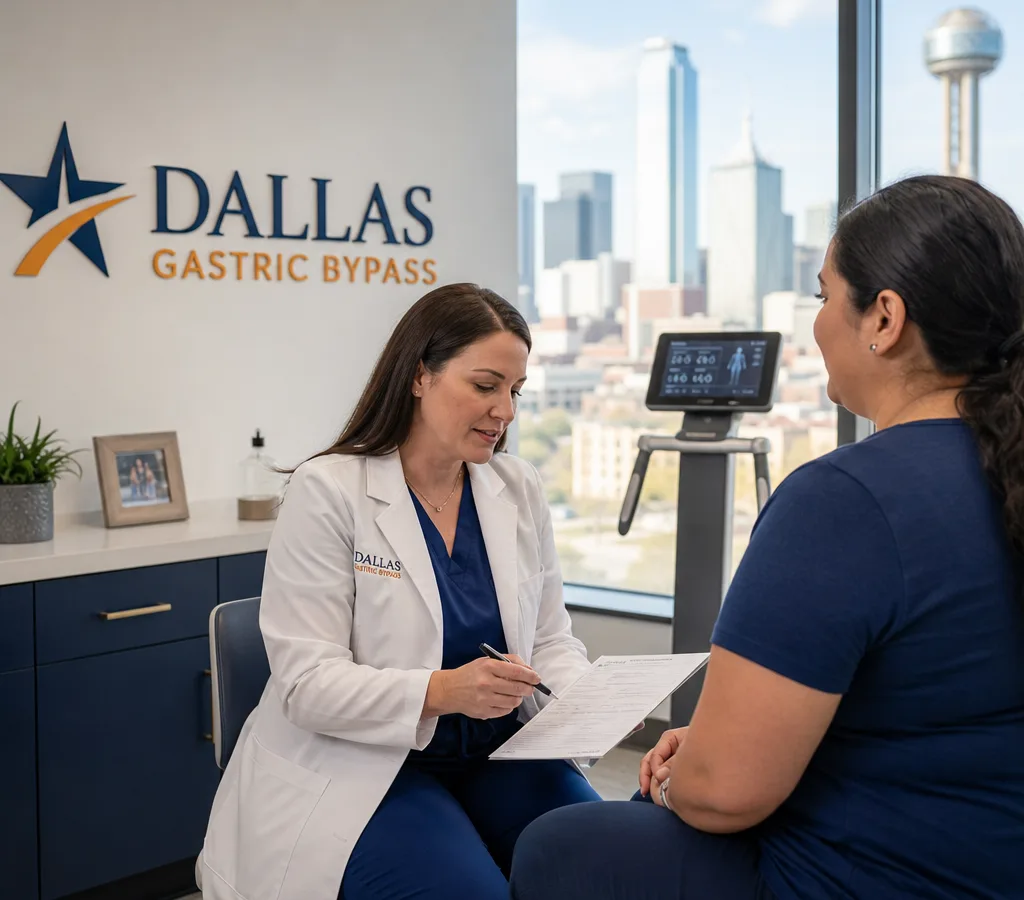
If you are searching for Dallas weight loss centers, you are usually looking for more than a diet plan. A clinic setting can add structure, medical oversight when needed, and a team to help you make decisions based on your health history, labs, and day-to-day schedule.
At Dallas Gastric Bypass, our role as a Dallas, TX weight loss clinic is to help you choose an approach you can stick with. That starts with understanding what has and has not worked before, what your goals are—weight, energy, labs, mobility, or all of the above—and what safety checks make sense for you.
Clinic-based weight loss support often includes:
If you already have primary care or specialists involved, a weight loss clinic in Dallas, Texas can also coordinate around existing diagnoses and prescriptions. For many people, that coordination can support a more maintainable, long-term approach.
A good plan is specific, measurable, and flexible. In a weight loss clinic Dallas residents trust, you should expect the care team to start with your safety and your habits, not with a one-size program.
Most patients do best when the plan addresses four areas at the same time:
Nutrition you can execute. This means realistic calorie targets, protein guidance, and strategies for restaurant meals, office snacks, and weekend events. If you live or work near Uptown or Downtown Dallas, frequent dining out is common, so planning for menus and portions matters as much as meal prep.
Activity that matches your body today. Walking plans, resistance training basics, and progression goals should be scaled to your current baseline. If knee, back, or foot pain limits activity, the plan should adapt rather than stall.
Behavior and environment. Sleep, stress, alcohol intake, and schedule can drive appetite and consistency. In Dallas, long drives and early workdays can push meals late and sleep short, so routines need to account for those constraints.
Medical options when appropriate. Some people need only lifestyle coaching. Others may be candidates for prescription support or referrals for additional evaluation. If medications are considered, monitoring and follow-up are part of responsible care.
For many people, the best support comes from a steady, supervised process with check-ins that keep small issues from turning into months of lost momentum.
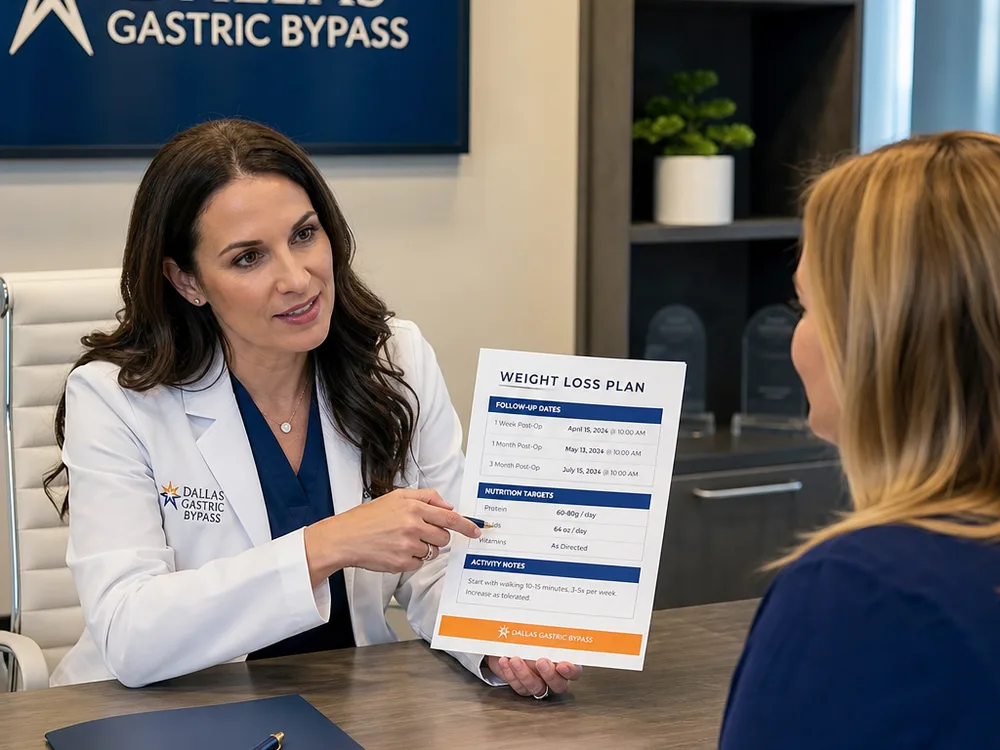
A clinic can check for issues that affect weight or make certain approaches unsafe, then set monitoring so you are not guessing.
Progress is not linear. Strong programs adjust nutrition, activity, and accountability based on what is actually happening, not what should happen.
Busy workweeks, commuting, travel, and frequent meals out are normal here. Planning for those realities helps consistency.
If you already see a primary care clinician or specialist, coordinated decision-making reduces conflicts between goals, medications, and lab targets.
You should leave the first visits knowing what success looks like, what the next 30 to 90 days involve, and how often you will check in.
Your history, assessment, and goals shape the plan. Individual evaluation is required before any medical option is recommended.
Check AvailabilityWe review your history, previous weight loss attempts, medications, and what you want to change. This is also where we talk through constraints like schedule, budget for groceries, and activity limits.
We take baseline measurements and review prior labs or request clinically appropriate testing. If you have records from other providers, bringing them helps reduce repeat work.
We map out nutrition targets, an activity plan, and follow-up cadence. If medical therapy is an option, we discuss benefits, side effects, and monitoring so you can make an informed choice.
Check-ins focus on trends, adherence, appetite, sleep, stress, and any side effects. The plan changes based on what your body and routine are telling us.
Sustained results require a maintenance plan: calorie and activity ranges, relapse prevention, and what to do after travel, holidays, or plateaus.
A weight loss clinic in Dallas typically runs about $150 to $500+ for an initial visit, with follow-ups often $75 to $250 per visit. Programs that include frequent coaching, body composition tracking, or bundled visits can cost more, and any lab work or prescription medications are usually separate.
Your final cost depends on the depth of medical evaluation, how often you want follow-ups, and whether labs, nutrition counseling, or medication management is included. Exact pricing is confirmed after your initial consultation and recommended plan are defined.
If you want a structured plan with clinic oversight, share your goals and history so your starting point and follow-up schedule can be individually evaluated.
Call to ScheduleChoose a clinic that can explain its process, monitoring, and follow-up schedule in plain language, then confirm what is included in the first month. Ask who you will meet with, how often adjustments are made, and how the clinic handles side effects or plateaus. In Dallas, it also helps to pick a team that builds plans around dining out, travel, and changing workweeks.
Some Dallas weight loss centers can prescribe weight loss medications when medically appropriate, while others focus on lifestyle coaching only. The right clinic will review your medical history and current prescriptions, discuss risks and expected monitoring, and set follow-ups to track response and tolerability. Medication decisions should be individualized rather than based on a single program template.
Bring a current medication list, any recent lab results you have, and notes about prior weight loss efforts and barriers. If you track food or activity, even loosely, a week of logs helps. Practical details such as your typical work hours, commute patterns, and how often you eat out also help shape the plan.
Most people do best with follow-ups every 2 to 6 weeks at the start, then less frequently as habits stabilize and maintenance becomes the focus. The right schedule depends on your goals, whether medications are used, and how complex your medical history is.
Yes. Be cautious if a clinic promises guaranteed results, avoids discussing side effects and monitoring, or cannot explain what happens after the first few weeks. Another red flag is a program that does not ask about medical history or current medications, since that information can change what is safe and appropriate.
Yes, coordination is often possible and helpful, especially if you manage conditions like diabetes, hypertension, sleep apnea, or thyroid disease. With your permission, care plans and relevant updates can be aligned so your weight loss strategy fits your broader health care.
Yes, many patients come from across the city and nearby areas because appointments are scheduled around workdays and commutes. If you are traveling from North Dallas or another part of the metro, the visit cadence can be discussed so it balances practical travel needs with appropriate follow-up.
Tell us what you want to change and what has gotten in the way before. We will help you sort through options, set a safe plan, and map out follow-ups you can maintain in Dallas.