
Eligibility and readiness
A realistic review of health factors and readiness, including what typically needs to be addressed before surgery is considered—for example, sleep apnea screening, diabetes control, or smoking cessation when applicable.
Serving Dallas, Texas & surrounding areas
Mon–Fri 8am–6pm · Sat 9am–2pm
Meet with a bariatric team for clear eligibility guidance, procedure options, and structured long-term follow-up that fits real life in Dallas.
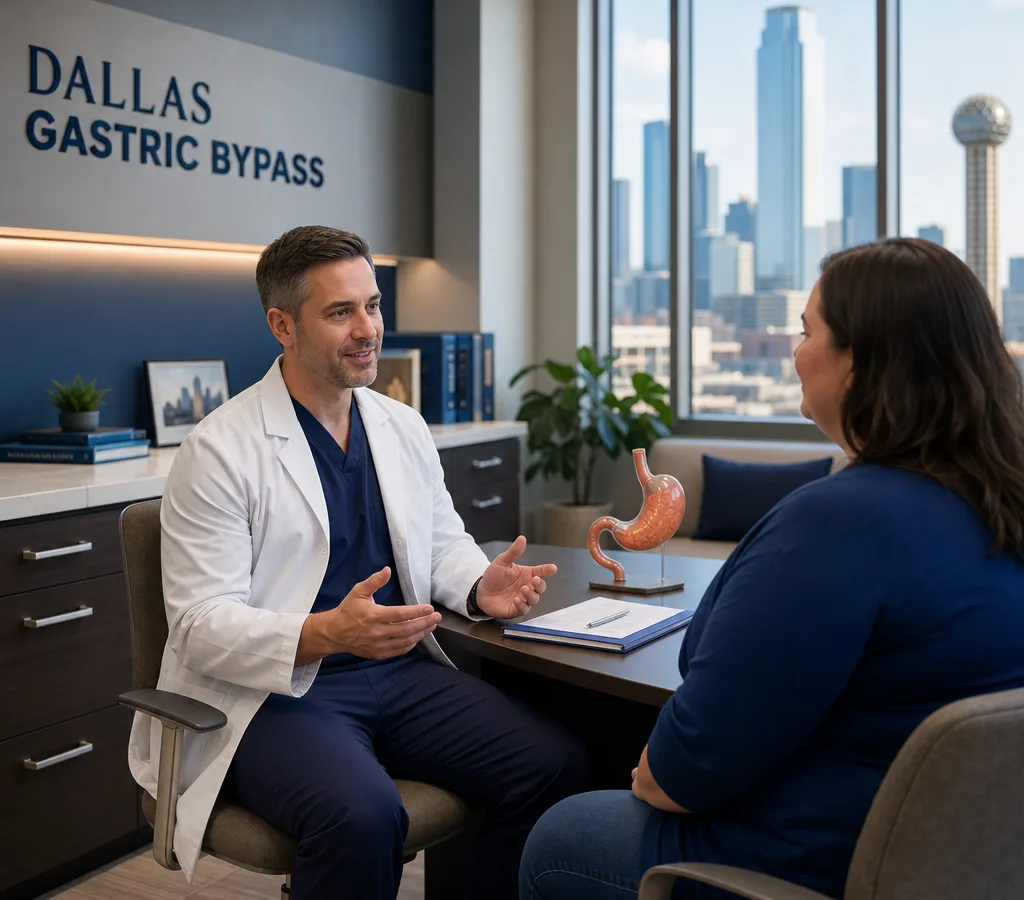
If you are searching for a Dallas bariatric center, you are usually looking for more than a single appointment. Bariatric care is a coordinated medical and surgical pathway: evaluation, education, procedure planning when appropriate, and long-term follow-up to help you stay safe and on track.
At Dallas Gastric Bypass, our bariatric care process is built around informed decision-making. That means you get a straightforward review of your health history and goals, a discussion of options—including non-surgical support when that is the right next step—and a plan for follow-up that continues after the initial treatment phase.
Because Dallas is a driving city, convenience and continuity matter. Many patients balance appointments around commutes and family schedules, so we focus on setting expectations early: what appointments are typically required, what labs and clearances may be needed, and how follow-ups are structured over time.
If you also need GI evaluation or ongoing digestive care as part of your overall health picture, our team's broader clinical focus aligns with gastroenterology in Dallas so your care plan can be coordinated rather than fragmented.
People often arrive thinking bariatrics is only about choosing a surgery. In practice, long-term outcomes depend on the care model around it.
A comprehensive Dallas bariatric program typically includes:
You should leave your consult with a written next-step plan: what to do first, what needs to be cleared, and what milestones you will be asked to meet before moving forward.
A realistic review of health factors and readiness, including what typically needs to be addressed before surgery is considered—for example, sleep apnea screening, diabetes control, or smoking cessation when applicable.
Clear comparisons of common bariatric procedures, including expected lifestyle changes, follow-up requirements, and how choices may interact with reflux, medications, and nutrition.
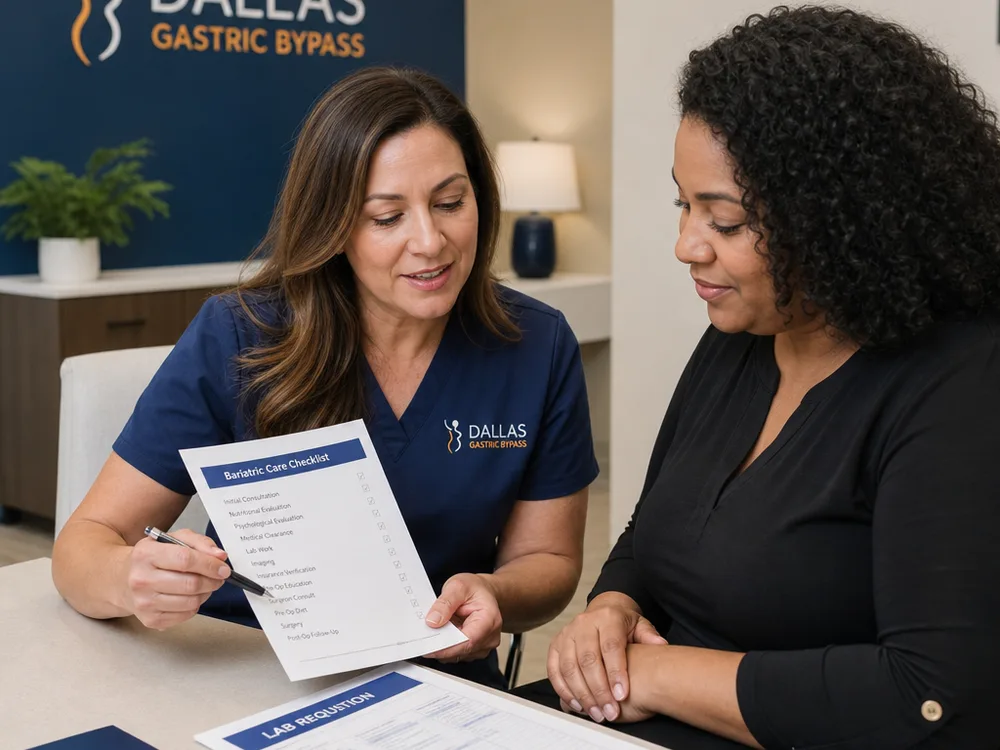
Guidance on the typical pre-op steps: labs, imaging when needed, medical clearances, and documentation. You should know what is required and why.
A structured follow-up plan with symptom review and lab monitoring for nutrient status, because deficiencies can develop even when you feel well.
Troubleshooting for plateaus, food intolerance, hydration issues, and getting back to basics after travel, holidays, or schedule disruptions.
A plan that treats bariatric care as ongoing health management, not a one-time event, including strategies for weight regain prevention and addressing new GI symptoms.
Each step depends on your health history, individual evaluation, and whether a surgical or non-surgical pathway is appropriate.
Check AvailabilityWe review your medical history, prior weight-loss attempts, current medications, and symptoms that matter for bariatric planning, such as reflux, nausea, or swallowing issues.
You get an understandable walkthrough of surgical and non-surgical paths, what lifestyle changes look like in the first weeks, and what long-term monitoring involves.
If you move forward, we outline the typical pre-op checklist: lab work, any needed clearances, and documentation steps so you know what is coming and what can cause delays.
We confirm the plan, review medication adjustments and nutrition preparation, and discuss practical logistics like time off work, driving restrictions after anesthesia, and support at home.
Follow-up focuses on symptoms, hydration, protein intake, and lab monitoring over time. You will know when to contact the team if something feels off.
In Dallas, you will find a range of programs and approaches. The best fit is the one that matches your medical needs and provides consistent follow-up.
Questions worth asking in any consult:
It also helps to choose a clinic that is practical for your routine. Areas like Downtown and Uptown can be convenient for office workers who prefer early morning appointments. For patients coming in from North Dallas, driving and parking logistics can influence follow-up consistency, which matters because bariatric care is not one-and-done.
If gastrointestinal symptoms are part of your picture before or after bariatric treatment, coordinated evaluation can prevent delays. In some cases, that includes targeted testing and clinical management aligned with Dallas gastroenterology so symptoms like persistent reflux, abdominal pain, or medication intolerance are addressed alongside your bariatric plan.
“I expected the consult to be a quick sales pitch. Instead, we spent most of the time going over my history, reflux symptoms, and what follow-up would look like. I left with a clear checklist and a timeline I could actually manage with work.”
“The most helpful part was the long-term plan. Vitamins, labs, what to watch for, and when to reach out. Having that structure made the process feel a lot less overwhelming.”
A referral is not always required, but your insurance plan may have its own rules. During scheduling, it helps to share your insurance details and any recent records—medication list, prior surgeries, and recent labs—so the consult can focus on decision-making instead of paperwork.
The first visit typically covers your medical history, prior weight-loss efforts, current symptoms—especially reflux and sleep issues—and your goals, followed by a review of procedure and non-surgical options. You should also receive an outline of the usual pre-op requirements and the follow-up schedule expected after treatment.
Timelines vary based on insurance requirements, medical clearances, and how quickly pre-op steps can be completed. Many patients move faster when they arrive with an up-to-date medication list and can schedule labs and clearances promptly, which is especially important in Dallas if work travel or commuting limits appointment flexibility.
The best option depends on your health profile, symptoms like reflux, medication needs, and the lifestyle changes you can sustain. Gastric bypass and sleeve gastrectomy have different effects on anatomy and nutrient absorption, so the right choice is made after a medical review and a discussion of long-term monitoring and vitamin requirements.
You should expect scheduled follow-ups that check symptoms, hydration, protein intake, and weight trends, plus periodic lab monitoring for nutrient status over the long term. Ongoing follow-up matters because vitamin and mineral deficiencies can develop gradually, and issues like reflux or food intolerance may appear months or years later.
Common challenges include dehydration, difficulty meeting protein goals, nausea or food intolerance, reflux, constipation, and weight-loss plateaus. A bariatric team can help by adjusting nutrition strategy, reviewing medications and supplements, and checking whether symptoms point to a medical issue that needs evaluation.
Yes, but it helps to plan around travel time so visits do not get skipped. Patients who commute in from farther neighborhoods often do best with a clear follow-up calendar, an understanding of which appointments require in-person assessment, and a plan for getting labs completed on schedule.
Share your goals and health history, and we will walk you through realistic options, expected next steps, and the kind of follow-up you can count on over the long term.