Bariatric surgery · Dallas, TX

Bariatric Surgeons Dallas, Texas

Work with an experienced bariatric team to understand your options, confirm eligibility, and build a safe plan for surgical weight loss, from your first consultation through long-term follow-up.

Individual evaluation Procedure-specific planning Long-term follow-up
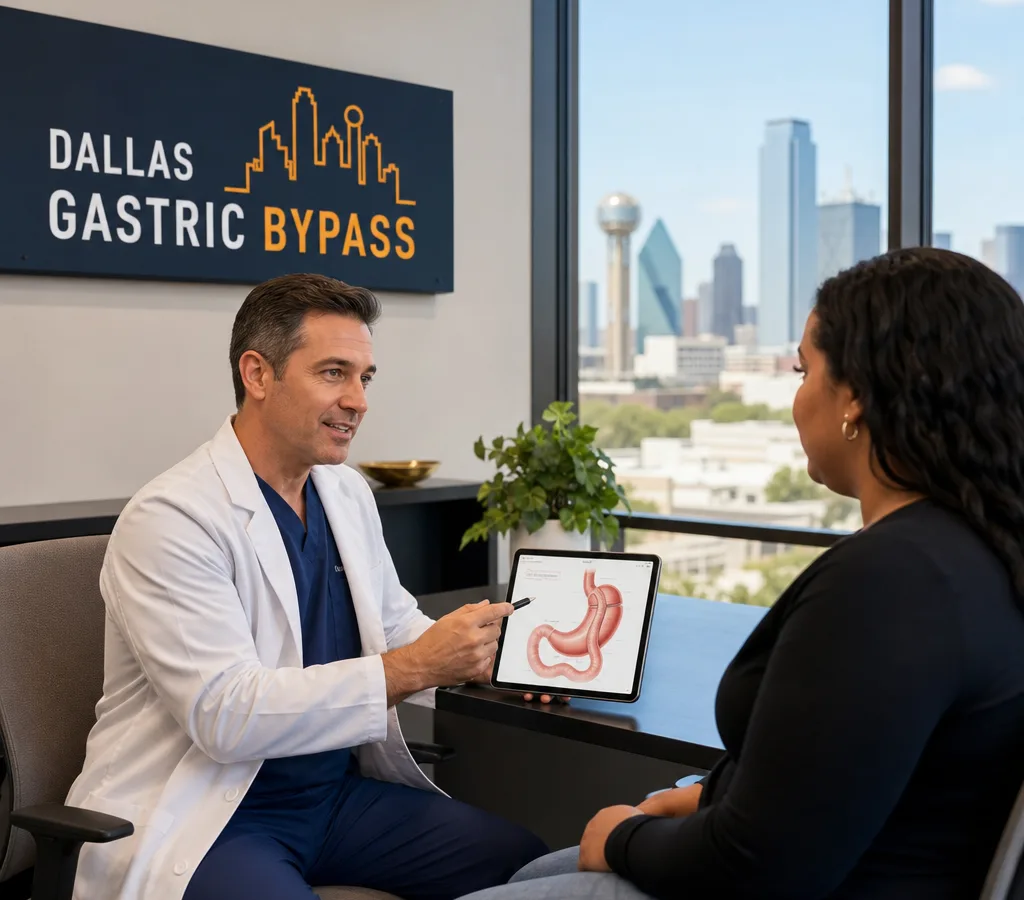
Bariatric surgeon consulting with an adult patient using a tablet in a modern Dallas medical office
Choosing your care team

Choosing bariatric surgeons in Dallas starts with the right questions

If you are searching for bariatric surgeons Dallas Texas, you are likely balancing medical details, time off work, insurance steps, and a big personal decision. A strong bariatric program makes the process clearer: what procedure fits your health history, what testing is needed, what support you will have after surgery, and what you can realistically expect during recovery.

Dallas Gastric Bypass works with patients across Dallas and nearby communities who want careful, evidence-based guidance. Many people begin by comparing bariatric doctors in Dallas based on experience, hospital access, and how structured the pre-op and post-op plan is. That approach is smart. Bariatric surgery is not a single appointment; it is a staged process that includes evaluation, preparation, the operation itself, and follow-up care.

If you are also managing reflux, fatty liver concerns, diabetes, sleep apnea, or medication questions, coordinated digestive care matters. Some patients start with a GI evaluation before moving forward; our broader clinical context aligns with gastroenterology in Dallas when a digestive workup is part of the decision.

Check Availability
Standards for care

What patients should expect from bariatric doctors in Dallas TX

A procedure recommendation tied to your medical history

A thoughtful surgeon explains why a sleeve gastrectomy, gastric bypass, or revision is being considered for you, based on conditions like reflux, diabetes control, prior abdominal surgery, and BMI history.

Clear pre-op requirements and realistic timelines

You should receive an outline of common steps such as labs, nutrition visits, psychological clearance when required, and insurance documentation, plus an estimate of how long scheduling typically takes.

Risk review in plain language

Expect a direct discussion of surgical risks, potential complications, how they are monitored, and what symptoms mean you should seek urgent care after surgery.

A structured post-op follow-up plan

Long-term success depends on follow-up visits, labs, and vitamin supplementation. A strong program does not stop at the operation date.

Nutrition and lifestyle support you can use

You should leave visits knowing what to eat and drink in each phase, hydration targets, protein priorities, and how to handle common challenges like nausea, constipation, or food intolerance.

Coordination with your primary care and specialists

Medication changes, diabetes management, and sleep apnea equipment often need coordination. Your bariatric team should communicate clearly with your other providers when needed.

Check Availability
Procedure options

Common bariatric procedures offered in Dallas

Most people comparing bariatric surgeons in Dallas, Texas want to understand the main surgical options and how they differ. Your surgeon will recommend a path based on your goals and medical factors.

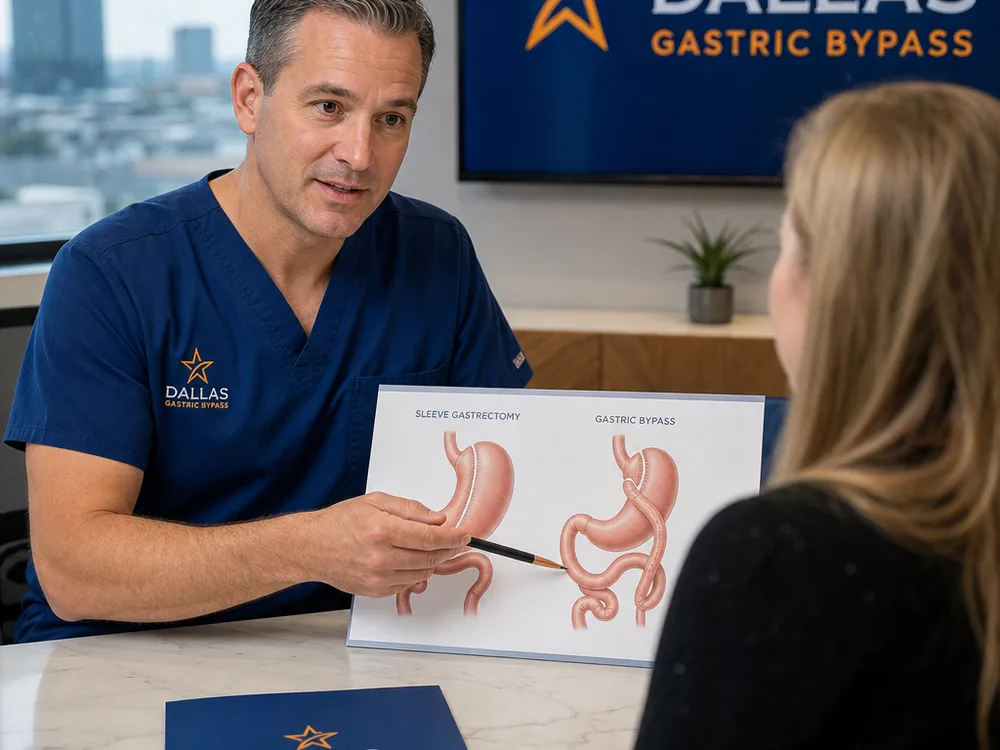
Sleeve gastrectomy reduces stomach size and changes hunger hormones. It is often chosen for its shorter operative time and simpler anatomy compared with bypass, but it is not the best fit for every reflux history.

Roux-en-Y gastric bypass changes stomach size and reroutes part of the small intestine. It can be especially useful when reflux is significant or when metabolic effects are a priority, but it requires careful long-term vitamin and lab monitoring.

Revisional bariatric surgery may be considered if you have had a prior bariatric operation and are dealing with inadequate weight loss, weight regain, severe reflux, or complications related to the first procedure. Revision work is more complex and should start with a careful review of operative history, imaging, and symptoms.

If reflux symptoms are part of your decision, a focused evaluation for GERD can guide procedure choice and rule out other causes. In some cases, a surgeon may want a dedicated workup such as GERD treatment before finalizing surgical planning.

Check Availability
Bariatric surgeon explaining sleeve gastrectomy and gastric bypass with a simple anatomical diagram
Evaluation pathway

How the bariatric surgery process typically works

Each stage helps your team evaluate candidacy, prepare for surgery, and support safe recovery. Requirements and timing vary by medical history and insurance.

Check Availability
01

Consultation and medical history review

You will discuss weight history, prior abdominal surgeries, medications, reflux symptoms, and conditions such as diabetes, hypertension, and sleep apnea. This visit is also where you can compare procedure options and ask about recovery and follow-up.

02

Pre-op testing and clearances

Most programs require labs and may request cardiac or pulmonary clearance depending on your health history. Nutrition counseling is standard, and psychological clearance may be required by insurance or program policy.

03

Insurance authorization and scheduling

If you are using insurance, documentation and prior authorization can take time. A good office will tell you what documents are needed and what milestones must be completed before a surgery date can be set.

04

Surgery and immediate recovery

You will receive instructions on fasting, medications, and what to bring. After surgery, the focus is pain control, walking, hydration, and monitoring for complications. Your team will give specific guidance on when to return to work and activity.

05

Post-op diet phases, labs, and long-term follow-up

Follow-up visits track healing, nutrition, and symptom changes. Vitamin supplementation and periodic labs are standard after bariatric surgery, and follow-up is where issues like reflux, nausea, or food tolerance are addressed early.

Dallas access and preparation

What local Dallas patients often consider before choosing a surgeon

Dallas is spread out, and your follow-up schedule matters. Many patients prefer a bariatric office that is practical for repeat visits from where they live and work, especially during the first year when check-ins are more frequent. People commuting from Uptown or Downtown often ask about early morning appointments and the logistics of getting to visits around work hours. Patients in Lakewood or East Dallas commonly prioritize a straightforward route for post-op follow-ups when driving right after surgery can be uncomfortable. Families in North Dallas frequently ask about coordinating care when multiple specialists are involved.

Hospital access and continuity of care also matter. Ask where the surgeon operates and who covers urgent questions after hours. You should understand how the team handles post-op symptoms like persistent vomiting, dehydration concerns, severe abdominal pain, fever, or signs of blood clots.

Bring a short list of questions to your visit:

  • Which procedure do you recommend for my medical history, and why?
  • How do you evaluate reflux before choosing sleeve versus bypass?
  • What are the most common reasons patients need additional testing?
  • What does follow-up look like at 2 weeks, 6 weeks, 3 months, and 1 year?
  • Who helps with nutrition planning and vitamin guidance?

If you have constipation, nausea, upper abdominal pain, or long-standing digestive symptoms that need clarification before surgery, a GI evaluation can be part of a safe plan. Some patients benefit from a targeted assessment for inflammation, anemia, or other concerns such as colonoscopy screening when age, family history, or symptoms call for it.

Check Availability
Planning your care

How Much Does Bariatric Surgery Cost in Dallas?

Bariatric surgery in Dallas typically ranges from about $12,000 to $25,000+ for self-pay, depending on the procedure—sleeve, gastric bypass, or revision—the facility and anesthesia fees, and how complex your medical history is. Revisions and patients who need additional testing or specialty clearances often fall toward the higher end.

Your final cost can change based on insurance coverage, deductibles, required pre-op nutrition visits, lab work, imaging, and whether you need treatment for issues like reflux before surgery. Exact pricing is confirmed after your consultation and surgical plan are finalized.

Check Availability
Questions answered

FAQs about bariatric surgeons in Dallas, Texas

How do I choose between bariatric doctors in Dallas and bariatric centers outside the city?

Choose the team you can reliably follow up with, because post-op visits and lab monitoring are part of bariatric care for years, not weeks. In Dallas, traffic and distance can make frequent early follow-ups harder if your surgeon is far from where you live or work. Also compare where the surgeon operates, how after-hours concerns are handled, and whether nutrition and long-term vitamin monitoring are built into the program.

Do bariatric surgeons in Dallas TX require a sleep apnea test or cardiac clearance before surgery?

Many patients need additional clearance, but it depends on your medical history and risk factors. If you have symptoms of sleep apnea, heart disease history, abnormal labs, or limited exercise tolerance, your surgeon may request sleep testing, cardiology, or pulmonary clearance to reduce anesthesia and post-op risks. Your consultation should outline what is required for you and what is optional.

Is gastric bypass better than sleeve gastrectomy for reflux?

Gastric bypass is often preferred when reflux is significant, while sleeve can worsen reflux in some patients, but the right choice depends on your specific anatomy and symptom history. Many surgeons evaluate GERD symptoms carefully before recommending a procedure and may request endoscopy or other testing when the history is unclear. The goal is to pick a procedure that supports both weight loss and long-term symptom control.

How long is recovery after bariatric surgery?

Most patients return to light daily activity quickly, but the full return to work and exercise depends on your procedure, job demands, and how your recovery is going. Many people take time off for the initial recovery window and then ramp up activity as directed. Your surgeon should give guidance tailored to your role, lifting requirements, and any post-op symptoms.

What labs and vitamins are needed after bariatric surgery?

After bariatric surgery, vitamin supplementation and periodic labs are standard, especially after gastric bypass. Many programs monitor levels related to iron, vitamin B12, folate, vitamin D, calcium, and other markers based on procedure type and symptoms. Your bariatric team should provide a written vitamin plan and a follow-up schedule so deficiencies can be prevented or treated early.

Can I have bariatric surgery if I have had a prior abdominal surgery?

Often yes, but prior abdominal surgery can affect complexity and may influence procedure selection. Your bariatric surgeon will review operative records when available, evaluate scar patterns and symptoms, and may recommend imaging or endoscopy depending on your history. The key is planning around adhesions or altered anatomy to keep surgery as safe as possible.

If you are ready to talk with bariatric surgeons in Dallas, Texas, bring your questions and your medical history. A focused consultation can clarify procedure options, next steps, and what a safe timeline looks like for you.

Call to Schedule

Schedule a bariatric surgery consultation in Dallas

Tell us what you are hoping to change and what concerns you have about surgery. We will help you compare options, understand required pre-op steps, and plan follow-up care with a clear path forward.