
Dallas Weight Loss Centers
Clinic-based support for patients who want structured help with weight management, including medical oversight and follow-up.
Serving Dallas, Texas & surrounding areas
Mon–Fri 8am–6pm · Sat 9am–2pm
Get clear answers and a plan you can follow for reflux, abdominal pain, IBS symptoms, liver concerns, and digestive issues after weight loss surgery.
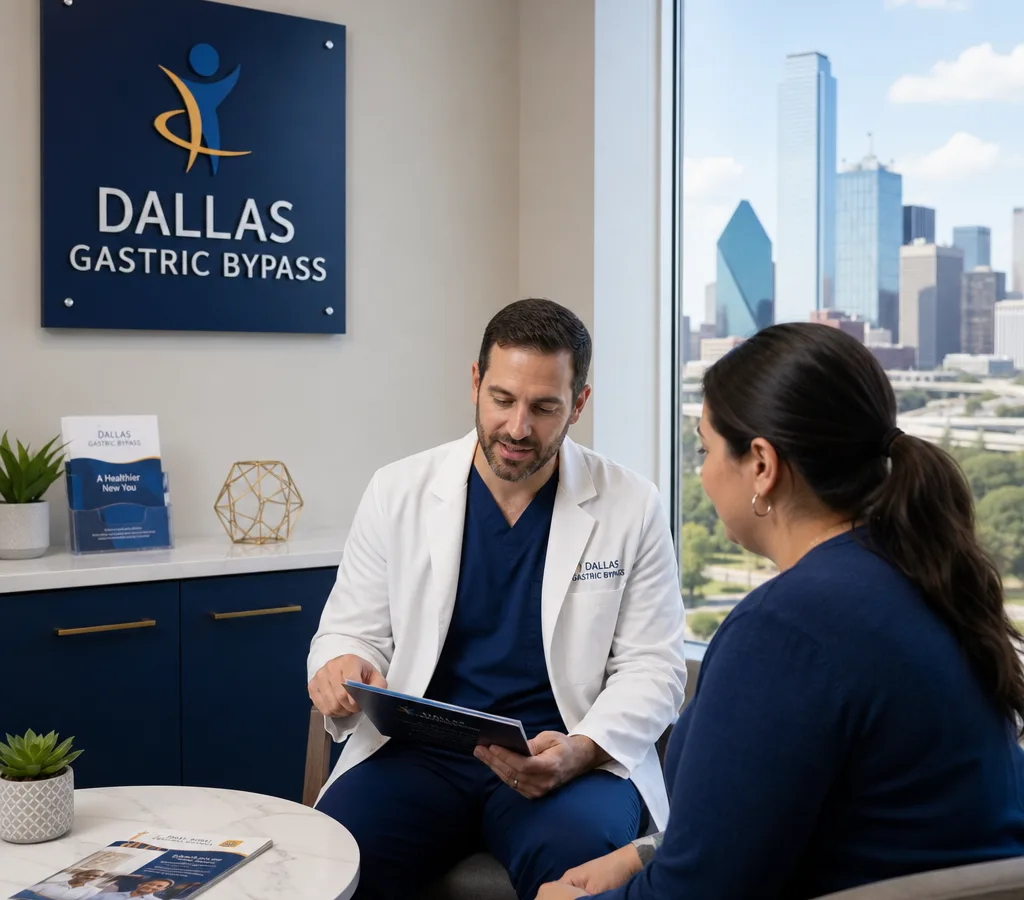
If you are searching for gastroenterologists Dallas residents trust, you likely want two things: an accurate diagnosis and a plan that explains what happens next. At Dallas Gastric Bypass, our GI team focuses on digestive and liver conditions that affect day-to-day comfort and long-term health.
We begin with your history, current symptoms, medications and supplements, and any prior imaging or lab results. Then we match the workup to your needs. For some patients, that means targeted labs and a focused treatment trial. For others, it means diagnostic testing such as upper endoscopy (EGD), colonoscopy, or evaluation for bile reflux, gastritis, ulcers, inflammation, or bleeding.
Many people arrive after months of switching diets, stopping and restarting acid reducers, or dealing with symptoms that keep coming back. A gastroenterologist in Dallas, Texas should be able to explain the likely causes, the red flags that change urgency, and which tests are truly useful. That is the standard we aim for in every visit.
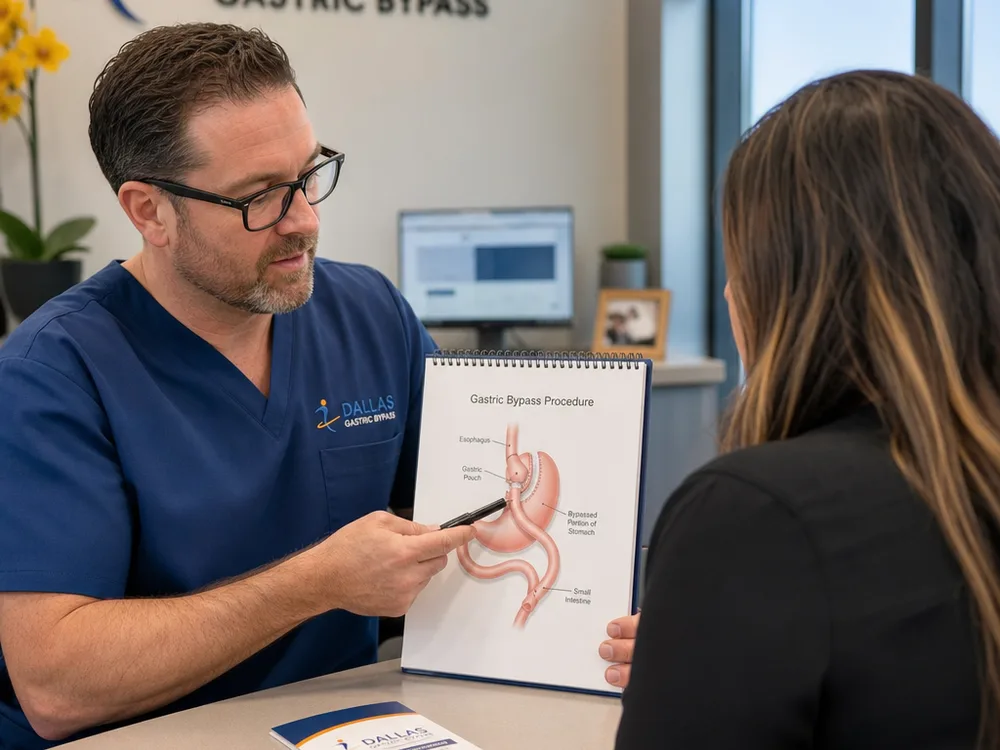
Clinic-based support for patients who want structured help with weight management, including medical oversight and follow-up.
Programs designed around your starting point and goals, with step-by-step guidance and progress check-ins.
Coordinated bariatric care with planning, education, and longitudinal support around surgical pathways.
Surgical consultations and treatment planning for patients considering bariatric procedures and related follow-up needs.
Specialty care focused on women's health needs, with coordinated planning around medical history and goals.
We start with what you feel and how it affects your life, then build a workup that fits the problem instead of ordering a long list of tests.
If a procedure is appropriate, we explain preparation, sedation expectations, typical findings, and how results change treatment.
Practical strategies for common symptom patterns like bloating, constipation, and diarrhea, with attention to triggers and medication effects.
Stepwise care for heartburn and regurgitation, including medication planning, lifestyle factors, and when endoscopy is warranted.
A focused approach to abnormal liver tests, fatty liver concerns, right upper quadrant pain, and gallbladder-related symptoms.
Support for issues that can show up after weight loss surgery, including reflux, nausea, food tolerance changes, and nutrient-related concerns.
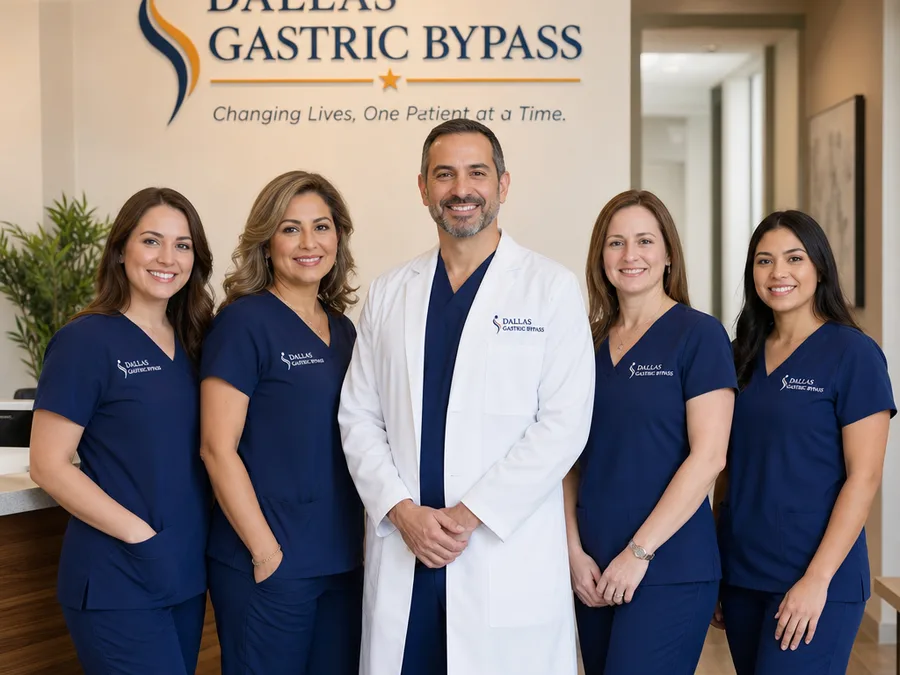
Dallas Gastric Bypass provides specialty digestive care in Dallas, TX for patients who want a straightforward path from symptoms to answers. Our focus is gastroenterology Dallas patients can rely on for careful evaluation, clear communication, and realistic follow-up.
You will see an approach built on medical history, appropriate testing, and treatment plans that make sense for everyday life. We coordinate care when other specialties are involved and help you understand what your results mean, what to watch for, and when to return.
Whether you are new to Dallas gastroenterology or looking for a second look at persistent symptoms, we aim to make the next step clear and timely.
Gastroenterology in Dallas typically ranges from about $200 to $500+ for a self-pay office visit, while procedures such as colonoscopy or upper endoscopy commonly run $2,000 to $6,000+ depending on the facility, anesthesia, and whether biopsies or polyp removal are needed.
Your final cost depends on insurance benefits, the complexity of symptoms, required lab work or imaging, and whether the visit leads to a procedure or follow-up care. Exact pricing is confirmed after your clinical evaluation and, if needed, procedure scheduling.
We review what is happening now, what you have already tried, and any prior labs, imaging, or procedure reports.
If appropriate, we order focused testing or discuss endoscopy or colonoscopy so the diagnosis is based on evidence, not guessing.
You leave with next steps that fit your situation, plus guidance on when to check back and what changes urgency.
If symptoms persist, worsen, or interfere with eating and sleep, a GI evaluation can help clarify the cause and your options.
Call to ScheduleOur clinic serves patients across Dallas, with common visit needs that vary by neighborhood and day-to-day routines:
Check Availability“I finally understood why my reflux kept coming back. The visit was thorough, and the plan was easy to follow.”
M. R.
“The prep and procedure steps were explained clearly, and I knew what to expect before and after. That made a stressful situation feel manageable.”
J. L.
“I appreciated how seriously they took my symptoms and how quickly we moved from questions to an actual diagnosis.”
S. K.
It depends on your insurance plan, but many patients can schedule directly without a referral. If your plan requires one, we can tell you what documentation is needed so your first visit stays focused on symptoms and next steps.
Ongoing heartburn, trouble swallowing, persistent abdominal pain, blood in the stool, unexplained changes in bowel habits, chronic diarrhea or constipation, or ongoing nausea are all good reasons to be evaluated. If symptoms are severe or rapidly worsening, urgent medical care may be appropriate first.
Yes, when clinically appropriate we can recommend and coordinate colonoscopy and upper endoscopy as part of your evaluation. You will get clear instructions on preparation, sedation, and what results typically mean for treatment.
Yes, we regularly evaluate GI symptoms that appear or change after weight loss surgery, including reflux, nausea, food intolerance, and concerns related to nutrient absorption. Care is tailored to your procedure history and current symptoms.
Bring a current medication and supplement list, any prior GI records you have (labs, imaging, endoscopy reports), and a short timeline of your symptoms. If you track triggers like certain foods or timing, that information can help narrow the workup.
You will receive an explanation of findings and a treatment plan that includes the next decision point, whether that is medication adjustment, diet guidance, additional testing, or a scheduled follow-up visit. We also review what symptoms should prompt earlier re-evaluation.
Share what you are dealing with and what you have tried so far. We will recommend the right next step, whether that is a focused visit, testing, or a procedure-based evaluation.